Last updated: 2026-06-03
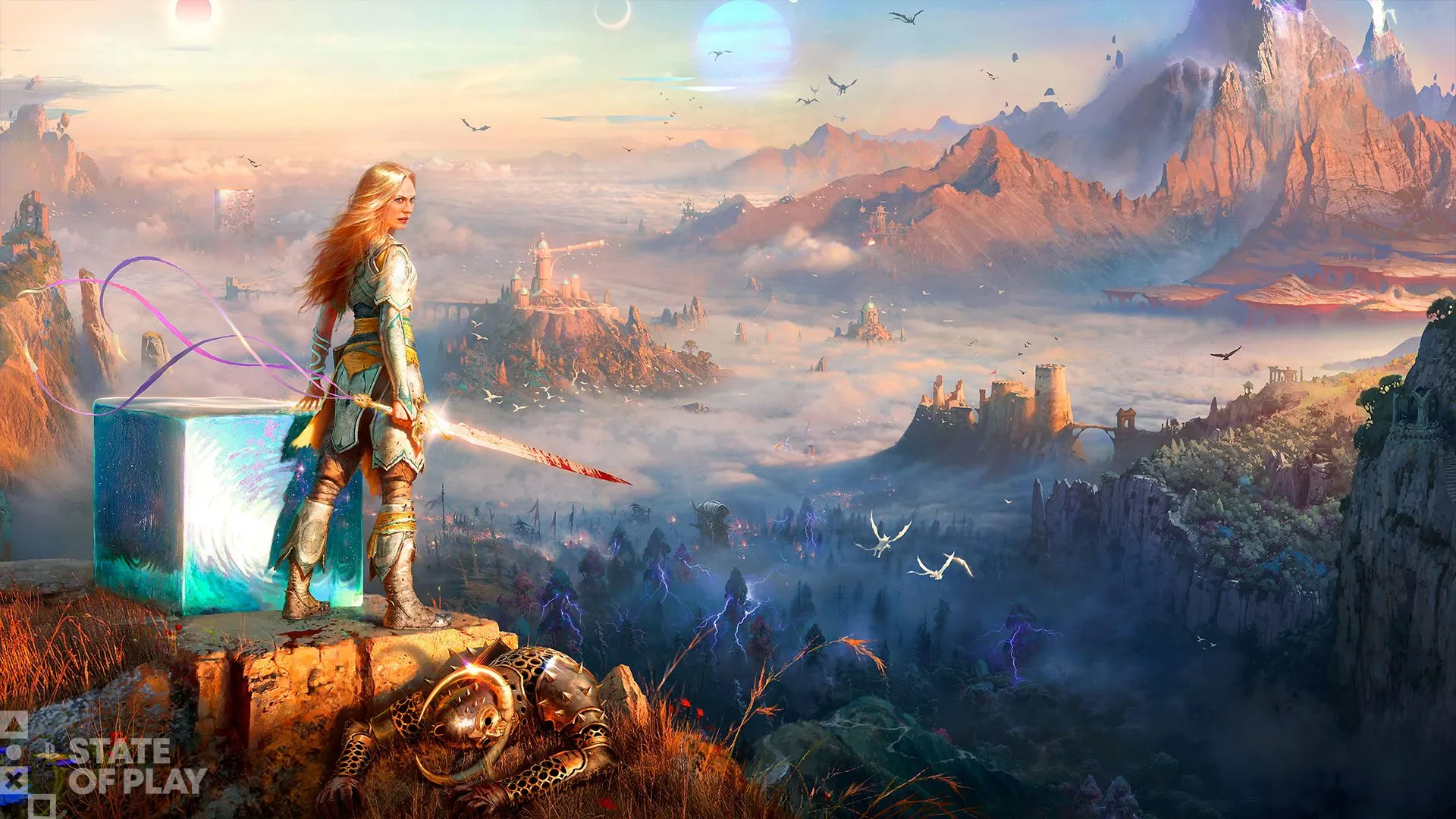
The Everywhen is the afterlife of the gods in God of War Laufey — where gods go when they die. It’s also the birthplace and endpoint of all magic.
(To be clear: this is the realm in Sony’s God of War game, not the UK insurance broker of the same name. Different Everywhen entirely.)
What is the Everywhen?
When Faye wakes up after her funeral, this is where she lands. The official PlayStation description calls it “the birthplace and endpoint to which all magic returns, a transcendent realm above those we’ve come to know.”
In plain terms, three things make the Everywhen what it is:
- It’s where gods go when they die. Mortals have their own afterlives. The Everywhen is the one above those — the place reserved for gods and the creatures of myth.
- It’s the source of all magic. Every kind of magic starts here and returns here. That’s why Faye’s own soul powers get much stronger once she arrives.
- It’s a melting pot of mythologies. Gods and creatures from different mythologies come together here — “and not always in harmonious coexistence.”
Where the Everywhen came from
This realm isn’t random. It ties straight back to Odin.
In God of War Ragnarök, Odin was obsessed with the prophecy of his own death — and chasing knowledge of something beyond the afterlives of mortals. God of War Laufey is the answer to the exact question that drove him: What happens to the gods when they die?
The Everywhen is that answer. The studio frames it as either a paradise or a prison, depending on who you are and whether you can leave.
What the place actually looks like
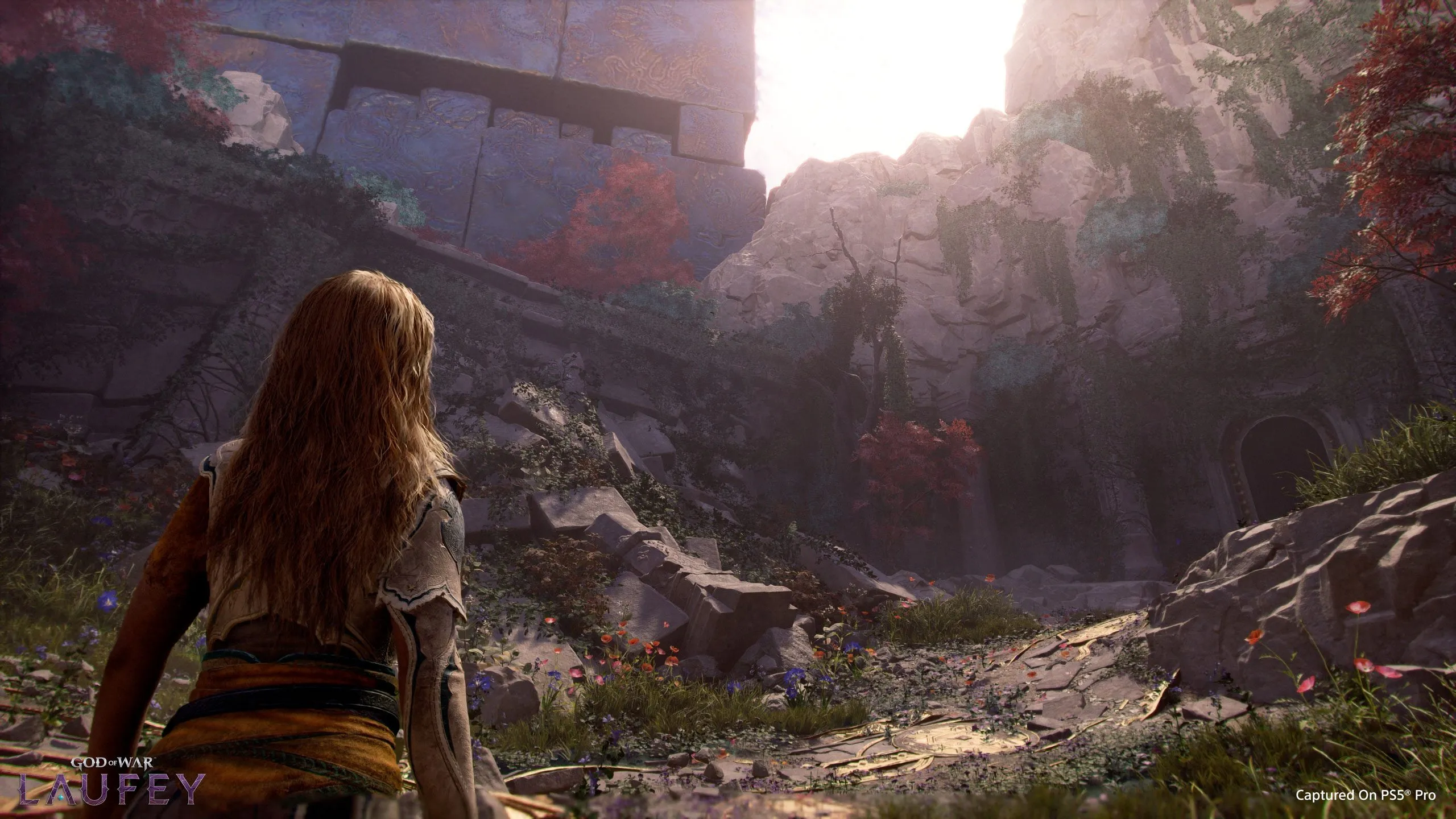
Forget Valhalla. Previews describe a nightmarish otherworld, not a peaceful one:
- Killer flowers and masked skeletons
- Creatures rounded up and held in cages
- Bonfires of corpses
- An ominous gateway hanging in the sky
It’s beautiful and hostile at the same time — a “land overflowing with dangerous magic,” which is part of why escaping it is so hard. The natural flow of magic has been disrupted, and until that’s fixed, leaving may be even harder than waking from death in the first place.
A realm of many gods
Because every mythology’s gods can end up here, the Everywhen is the reason God of War finally mixes pantheons. The two confirmed gods Faye meets early are Sekhmet, the Egyptian war goddess, and Begtse, a war god from Tibetan Buddhism with Mongolian roots — and they’re working toward some shared goal. The long-rumored Egyptian God of War game folded right into this multi-mythology mix.
For the full breakdown of who’s here and how the pantheons collide, see Mythology & Gods. For how Faye ended up here, see the Story.
Confirmed vs. Rumored
✓ Confirmed
- The Everywhen is the afterlife of the gods — where gods go when they die.
- It is the birthplace and endpoint of all magic.
- Gods of many mythologies coexist here, "not always harmoniously."
- Sekhmet (Egyptian) and Begtse (Tibetan-Buddhist/Mongolian) appear here.
? Rumored / Unconfirmed
- The full pantheon roster beyond Sekhmet & Begtse.
- The exact map / structure of the realm.
- Whether the Everywhen ties back to Odin’s fate in detail.