Last updated: 2026-06-03
For its whole modern run, God of War has been a one-pantheon series — Greek, then Norse. God of War Laufey breaks that rule wide open. Faye’s new adventure unfolds in the Everywhen, a realm where “gods and creatures from different mythologies come together, and not always in harmonious coexistence.” That single sentence from Santa Monica Studio is the most important thing to understand about the game’s lore: this is the first God of War where multiple real-world mythologies share the same map and fight over the same magic.
How the pantheons mix in the Everywhen
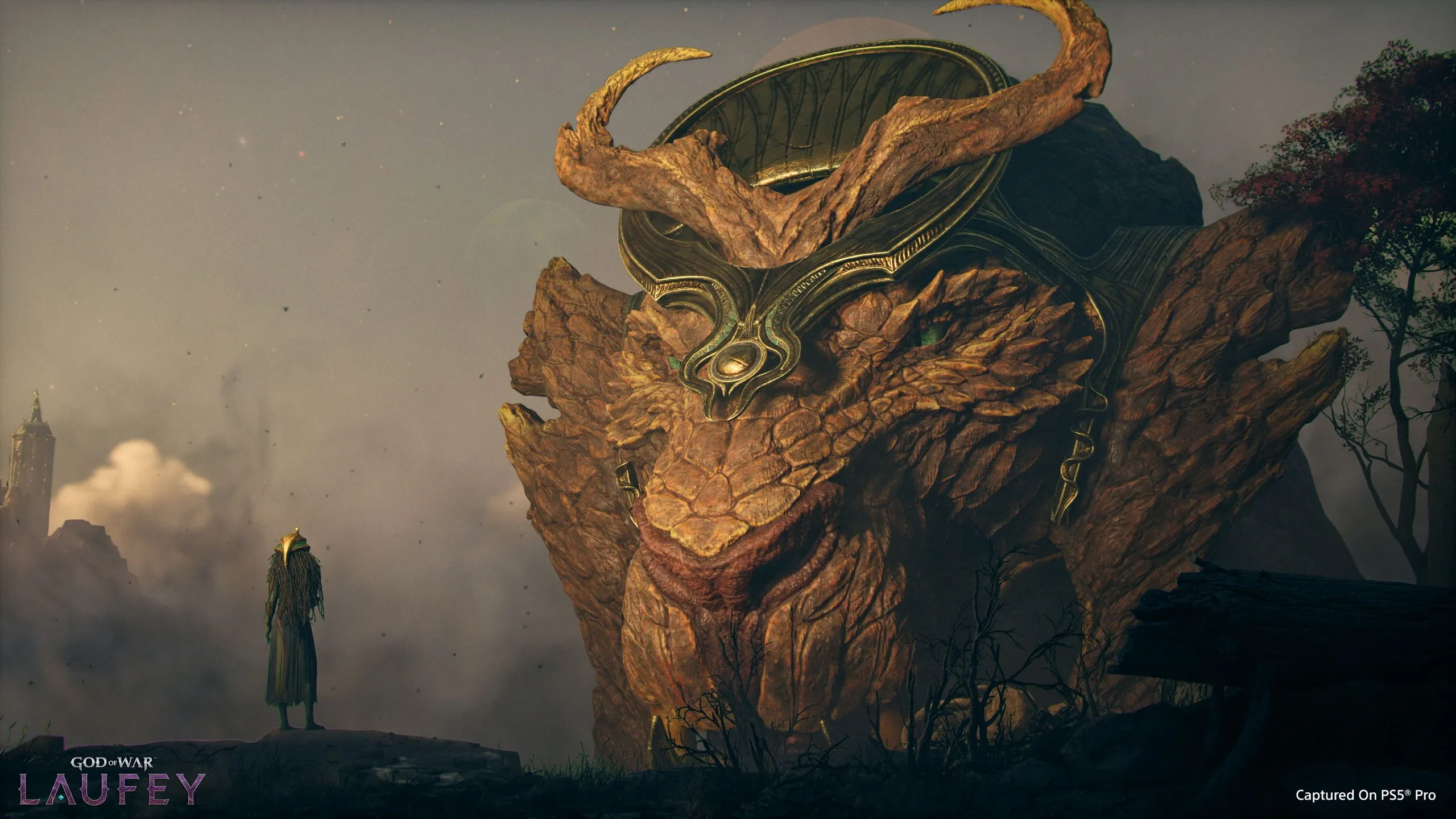
The Everywhen is described by Santa Monica Studio as “the birthplace and endpoint to which all magic returns, a transcendent realm above those we’ve come to know.” It is the afterlife of the gods themselves — the answer to the question Odin obsessed over before Ragnarök: what happens to the gods when they die? Because every pantheon’s magic flows back to the same place, every pantheon’s gods can end up there.
The official PlayStation game page frames the conflict plainly: this is a land “where ruthless gods from across mythology vie for power.” There is no single ruling theology here. Norse, Egyptian and Tibetan-Buddhist figures occupy the same space, and the “natural flow of magic has been disrupted,” which is part of why Faye finds it so hard to leave. The mix is the premise, not a cameo.
This also quietly confirms a long-running fan rumor. For years people speculated about an Egyptian God of War. As GamesRadar put it, the “rumored Egyptian God of War game was real after all, but God of War Laufey has a lot of other theology in the mix too.” Rather than a standalone Egyptian entry, that Egyptian material has been folded into the Everywhen’s wider melting pot — alongside Norse and Tibetan-Buddhist gods.
The confirmed hostile gods
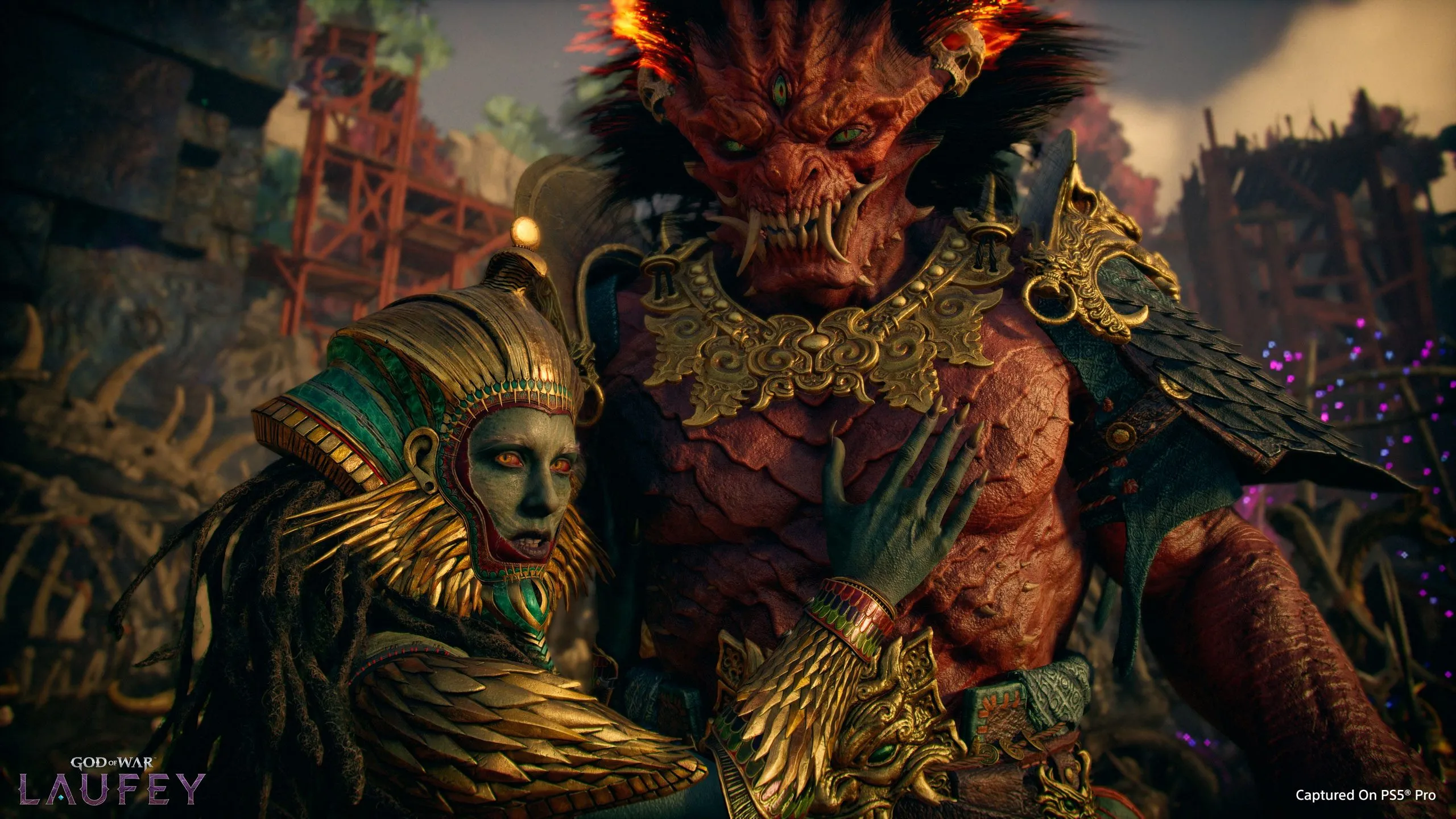
At the reveal, Santa Monica showed “a brief look at two of the gods Faye will encounter in the Everywhen — Sekhmet and Begtse, both decidedly less than friendly.” Reporting from the State of Play notes the two “seem to be together towards some unforeseen goal,” so they are not random bosses but apparently aligned antagonists.
Sekhmet — Egyptian war goddess
Sekhmet is the Egyptian goddess of war, and she is “decidedly less than friendly towards a new face suddenly appearing in their midst” — that new face being Faye. In Egyptian mythology, Sekhmet “was created from the fire of the sun god Ra’s eye” and “acted as the vengeful manifestation of Ra’s power, the Eye of Ra.” She is traditionally depicted as a lioness and is a goddess of war, plague and healing. In Laufey, that fearsome reputation makes her one of the first major hostile powers Faye runs into.
Begtse — Mongolian / Tibetan-Buddhist war god
Begtse is “the fiery war god Begtse from Tibetan Buddhism.” More precisely, he “is a dharmapala and the lord of war in Tibetan Buddhism, originally a pre-Buddhist war god of the Mongols. The name Begtse is a loanword from Mongolian begder, meaning ‘coat of mail.’” He is counted among the Eight Dharmapalas, the wrathful protectors of Buddhist teachings. (In one legend, the Third Dalai Lama, Sonam Gyatso, converted Begtse during his 1577 visit to Mongolia after transforming into the Bodhisattva Avalokiteshvara.)
In God of War Laufey, Begtse “acts as sort of an afterlife bouncer for Sekhmet” — guarding her, and standing between Faye and her path out of the Everywhen.
Norse / Jötnar framing
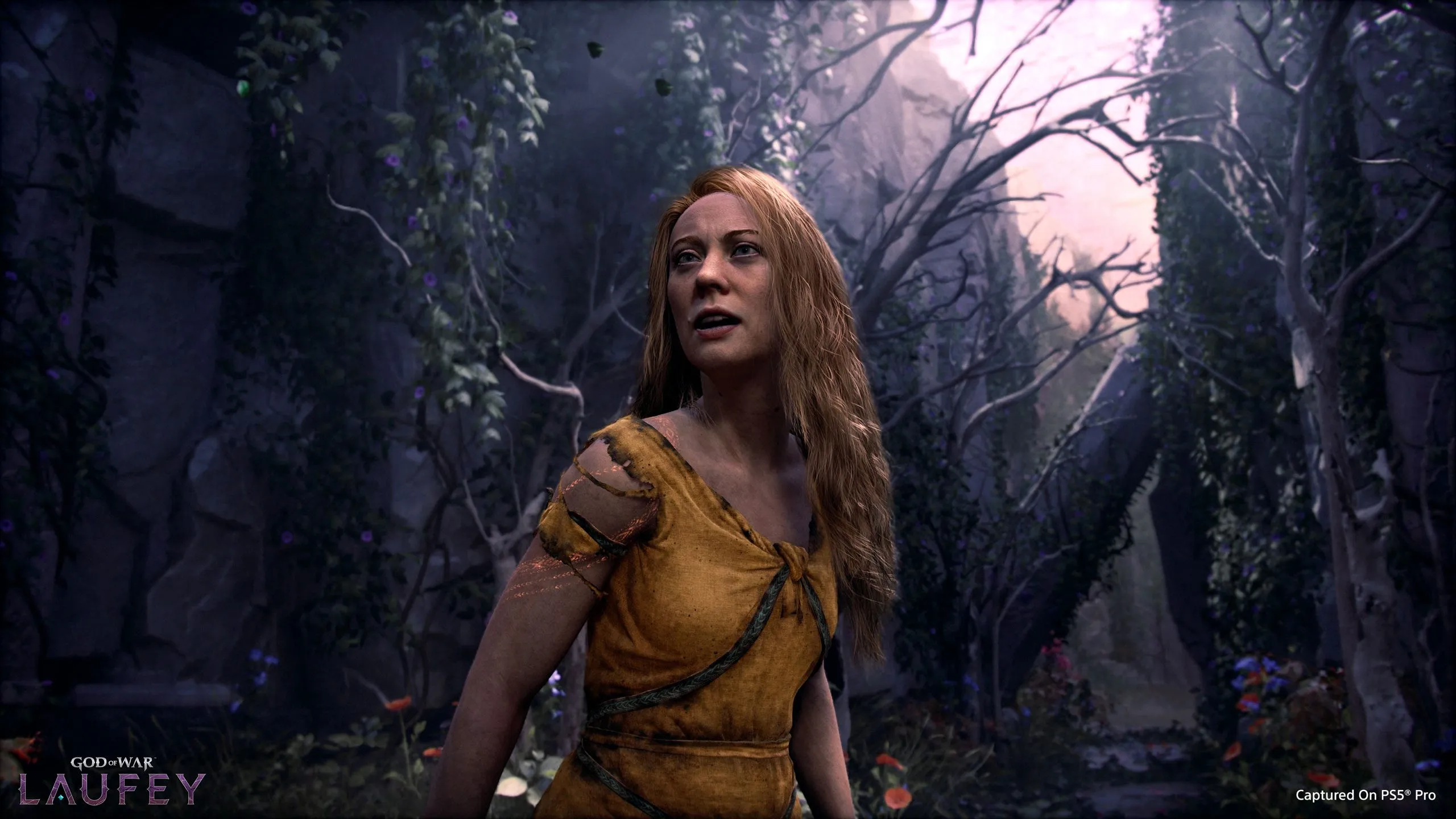
Faye herself carries the series’ Norse roots into the Everywhen. She is the Golden Hand of the Jötnar, the most powerful protector of the Giants, and has “proven equal to even the likes of Thor, one of the strongest gods in the Nine Realms.” So the Norse pantheon is represented through Faye’s own heritage and reputation, set against the Egyptian and Tibetan-Buddhist gods she now faces. (Learn more on the Faye (Laufey) character page.)
The pantheon roster at a glance
| God | Mythology | Domain | Role in Laufey | Status |
|---|---|---|---|---|
| Sekhmet | Egyptian | War, plague, healing; the Eye of Ra (lioness) | Hostile power in the Everywhen, unfriendly to Faye | Confirmed |
| Begtse | Tibetan-Buddhist (originally Mongolian) | Lord of war; a dharmapala; name means “coat of mail” | Hostile; acts as an “afterlife bouncer” for Sekhmet | Confirmed |
| Faye / Laufey (Jötnar) | Norse | Golden Hand of the Jötnar; foresight; soul magic | Protagonist; carries the Norse thread, has matched Thor | Confirmed |
Confirmed vs. rumored
Confirmed (official PS Blog / on-record):
- The Everywhen blends gods and creatures “from different mythologies.”
- Sekhmet (Egyptian war goddess) and Begtse (Tibetan-Buddhist / Mongolian war god) are hostile gods Faye encounters, apparently working together.
- Begtse acts as an “afterlife bouncer” for Sekhmet.
- The long-rumored “Egyptian God of War” material is folded into the Everywhen’s wider mythology mix.
- Faye represents the Norse/Jötnar side as the Golden Hand of the Jötnar.
Rumored / unconfirmed:
- The full pantheon roster — only Sekhmet and Begtse are confirmed so far; any further mythologies or named gods are unconfirmed.
- Exactly which other deities or cultures appear beyond these two.
- Whether Norse gods other than the Jötnar framing appear directly in the Everywhen.
Sources
- PlayStation Blog — “First look at God of War Laufey” (2026-06-02).
- PlayStation.com — God of War Laufey official game page.
- GamesRadar — “Rumored Egyptian God of War game was real after all…”
- Gfinity Esports — God of War Laufey extended gameplay reveal.
- Instagram (@playstation) — Begtse “afterlife bouncer” detail.
- Wikipedia — Sekhmet; Begtse. LearnReligions — Eight Dharmapalas.